The bathroom is often overlooked when people begin their sustainable living journey, yet it's one of the most wasteful rooms in our homes. From plastic bottles of shampoo and conditioner to disposable razors and synthetic sponges, the average bathroom generates an enormous amount of unnecessary waste. According to environmental studies, personal care products alone account for millions of tons of plastic waste annually, much of which ends up in our oceans where it harms marine life and enters the food chain.
But creating an eco-friendly bathroom doesn't mean sacrificing quality, convenience, or self-care. In fact, many sustainable bathroom products perform better than their conventional counterparts while being healthier for both you and the planet. After three years of testing dozens of eco-friendly bathroom products, I've developed this comprehensive guide to help you transform your bathroom into a zero-waste sanctuary. These products have been rigorously evaluated for effectiveness, durability, and true environmental benefit.
Sustainable Hair Care Solutions
Shampoo and conditioner bottles represent a significant source of bathroom plastic waste. The solution? Shampoo and conditioner bars. These concentrated bars eliminate the need for plastic bottles entirely, last two to three times longer than liquid products, and are perfect for travel since they're TSA-compliant. I was skeptical at first, worried they'd leave my hair feeling waxy or dry, but quality bars create a rich lather and leave hair soft and manageable. Look for bars made with natural ingredients like coconut oil, shea butter, and essential oils. They work for all hair types, and many brands offer specialized formulas for specific needs like color-treated hair, dandruff control, or volumizing. One bar typically replaces three plastic bottles and lasts about two to three months with daily use.
Bamboo Toothbrushes and Natural Dental Care
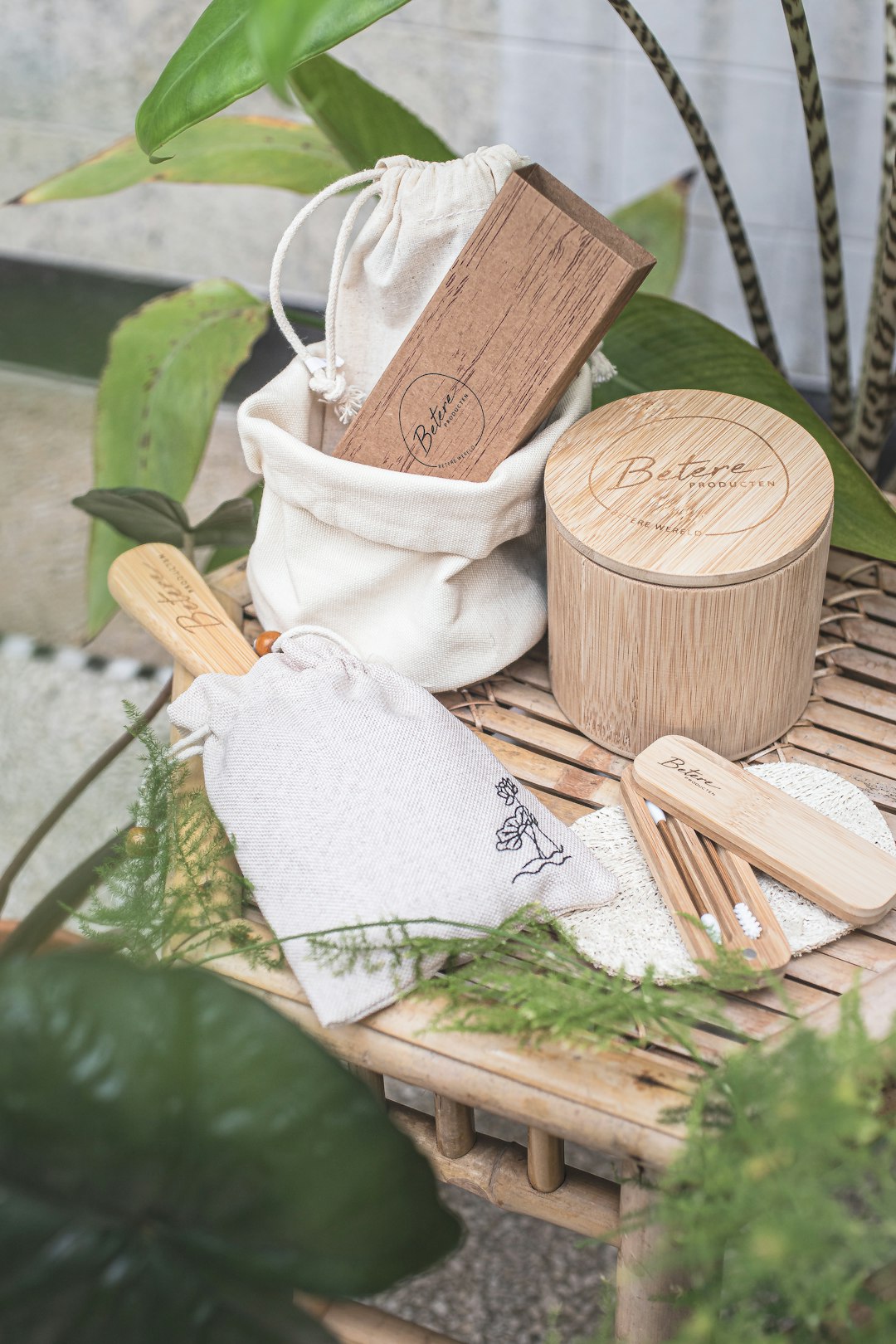
Americans alone throw away over one billion plastic toothbrushes annually, and since they're not recyclable, they all end up in landfills or oceans where they'll persist for hundreds of years. Bamboo toothbrushes offer an elegant solution. The handles are biodegradable, and many now feature plant-based bristles as well, making them completely compostable. I've used bamboo toothbrushes for two years, and they work just as well as plastic versions. The handles are naturally antimicrobial, comfortable to hold, and don't get soggy. Pair your bamboo toothbrush with toothpaste tablets or powder in glass jars to eliminate plastic tubes completely. These alternatives clean teeth effectively, many contain fluoride if desired, and they're perfect for travel.
Safety Razors: The Superior Shaving Solution
Disposable razors and plastic cartridge razors create mountains of waste and are surprisingly expensive over time. Safety razors, which were standard before the disposable razor industry convinced us we needed constant replacements, provide a superior shave at a fraction of the cost. A quality safety razor has an initial investment of around thirty to fifty dollars, but replacement blades cost just pennies each. I made the switch three years ago and haven't looked back. The weight and balance of a safety razor provide better control, resulting in fewer nicks and a closer shave. There's a slight learning curve, but after a week or two, it becomes second nature. The blades are recyclable metal, and one razor can last a lifetime. I estimate I've saved over $300 in razor costs while eliminating hundreds of plastic cartridges from the waste stream.
Reusable Cotton Rounds and Towels
Disposable cotton rounds, makeup remover wipes, and paper towels are wasteful single-use items that have excellent reusable alternatives. Reusable cotton rounds made from organic cotton or bamboo can be washed and used hundreds of times. They're softer than disposable versions, more effective at removing makeup, and better for sensitive skin since they don't contain the chemicals often found in disposable wipes. I keep mine in a small basket on my bathroom counter and toss used ones in a mesh laundry bag for washing. A set of twenty rounds has completely replaced disposable options in my routine, and after eighteen months of use, they're still in perfect condition. Similarly, small reusable towels can replace paper towels for hand drying and cleaning, lasting years with proper care.
Natural Loofahs and Body Scrubbers
Plastic shower poufs and synthetic sponges break down over time, releasing microplastics into our water system. Natural loofahs, which are actually dried gourds, provide excellent exfoliation and are completely biodegradable. They dry quickly between uses, reducing bacteria growth, and can be composted at the end of their life. I replace mine every two to three months, and they cost just a couple of dollars each. For those who prefer a softer option, organic cotton washcloths or hemp scrubbers work beautifully and can be machine washed regularly. These alternatives are gentler on skin, don't harbor bacteria like synthetic poufs, and create a luxurious spa-like experience in your daily shower routine.
Solid Soap Bars Over Liquid Soap
Bar soap has been unfairly stigmatized in recent years, with many people believing it's less hygienic than liquid soap. This is a myth—studies show bar soap is just as effective at removing germs. Modern bar soaps are nothing like the harsh, drying bars of the past. Quality soaps made with natural ingredients like olive oil, coconut oil, and shea butter moisturize while they clean, leaving skin soft rather than tight and dry. They come in countless varieties for different skin types and preferences, from unscented for sensitive skin to invigorating scents like eucalyptus and peppermint. Bar soap eliminates plastic bottles, costs less than liquid soap, lasts longer, and takes up less space. Use a soap dish with drainage to keep bars dry between uses, extending their lifespan even further.
Sustainable Period Products
Conventional period products generate significant waste over a lifetime—an estimated 11,000 disposable products per person. Sustainable alternatives like menstrual cups, period underwear, and reusable cloth pads offer comfortable, effective, and environmentally friendly options. Menstrual cups, made from medical-grade silicone, can last up to ten years with proper care, saving thousands of dollars and preventing mountains of waste. They can be worn for up to twelve hours, making them more convenient than tampons, and many users report reduced cramping. Period underwear has improved dramatically in recent years, with options that are absorbent, leak-proof, and comfortable enough for overnight use. Reusable cloth pads, made from soft organic cotton, are gentler on sensitive skin and can be washed and reused for years. These alternatives require an initial investment but pay for themselves within months while dramatically reducing environmental impact.
Eco-Friendly Cleaning Products
Conventional bathroom cleaners often contain harsh chemicals that can irritate skin and respiratory systems while polluting waterways. Natural cleaning alternatives work just as effectively without the toxic ingredients. Castile soap, baking soda, and vinegar can clean virtually any bathroom surface. I make a simple all-purpose cleaner with water, castile soap, and essential oils that costs pennies per bottle and works better than anything I bought before. For tough soap scum and mineral deposits, a paste of baking soda and vinegar works wonders. These ingredients are biodegradable, non-toxic, and safe around children and pets. Store cleaners in reusable glass spray bottles, and you'll eliminate plastic waste while creating a healthier home environment.
Water Conservation Products
Water is a precious resource, and the bathroom is where we use the most. Low-flow showerheads and faucet aerators reduce water consumption by up to 50% without sacrificing pressure or performance. Modern low-flow showerheads use technology that maintains strong pressure while using less water, and you'll notice the savings on your water bill immediately. I installed mine two years ago and haven't noticed any decrease in shower quality, but my water bill dropped by about 30%. Dual-flush toilet converters allow you to use less water for liquid waste, further reducing consumption. These products have minimal cost, easy installation, and immediate impact on both your environmental footprint and utility expenses.
Making the Transition Sustainable
The key to successfully transitioning to an eco-friendly bathroom is taking it one step at a time. Don't throw away products you already own—that defeats the purpose. Instead, replace items as they run out with sustainable alternatives. Start with the products you use most frequently or those that create the most waste. This gradual approach is more affordable and less overwhelming. As you incorporate each new product, you'll develop routines and discover what works best for your lifestyle.
Remember that sustainability isn't about perfection. Some eco-friendly products might not work for you, and that's okay. The goal is progress, not perfection. Every plastic bottle you don't buy, every disposable item you replace with a reusable alternative, makes a difference. Over time, these small changes add up to significant impact, both environmentally and financially.
Your Zero-Waste Bathroom Awaits
Creating an eco-friendly bathroom is one of the most rewarding aspects of sustainable living. Not only will you dramatically reduce your environmental impact, but you'll also create a healthier space free from harmful chemicals and unnecessary plastics. The products in this guide have been thoroughly tested and proven effective over years of daily use. They represent the best options available for quality, sustainability, and value. Your bathroom can become a sanctuary that honors both personal wellness and planetary health. Start your journey today, and experience the satisfaction of making choices that benefit you, your family, and the environment for generations to come.