The kitchen is the heart of every home, and it's also where we can make some of the most significant environmental impacts. Every day, millions of single-use products end up in landfills, from plastic wrap to disposable paper towels. But transforming your kitchen into an eco-friendly space doesn't require a complete overhaul or breaking the bank. With the right sustainable products, you can reduce waste, save money over time, and create a healthier environment for your family.
After testing dozens of eco-friendly kitchen products over the past year, I've compiled this definitive guide to the top 10 sustainable alternatives that deliver real results. These aren't just greener choices—they're practical, durable, and often superior to their conventional counterparts. Let's explore each product in detail and discover how they can revolutionize your daily kitchen routine.
1. Reusable Beeswax Food Wraps
Say goodbye to plastic wrap and aluminum foil forever. Beeswax food wraps are game-changers for food storage, made from organic cotton infused with beeswax, jojoba oil, and tree resin. They're naturally antibacterial, moldable with the warmth of your hands, and can be washed and reused for up to a year. I've been using mine for eight months now, and they still work perfectly for covering bowls, wrapping sandwiches, and storing half-cut vegetables. The environmental impact is staggering—one set of wraps can replace hundreds of feet of plastic wrap, preventing significant plastic waste from entering our oceans and landfills.
2. Bamboo Utensils and Cutlery
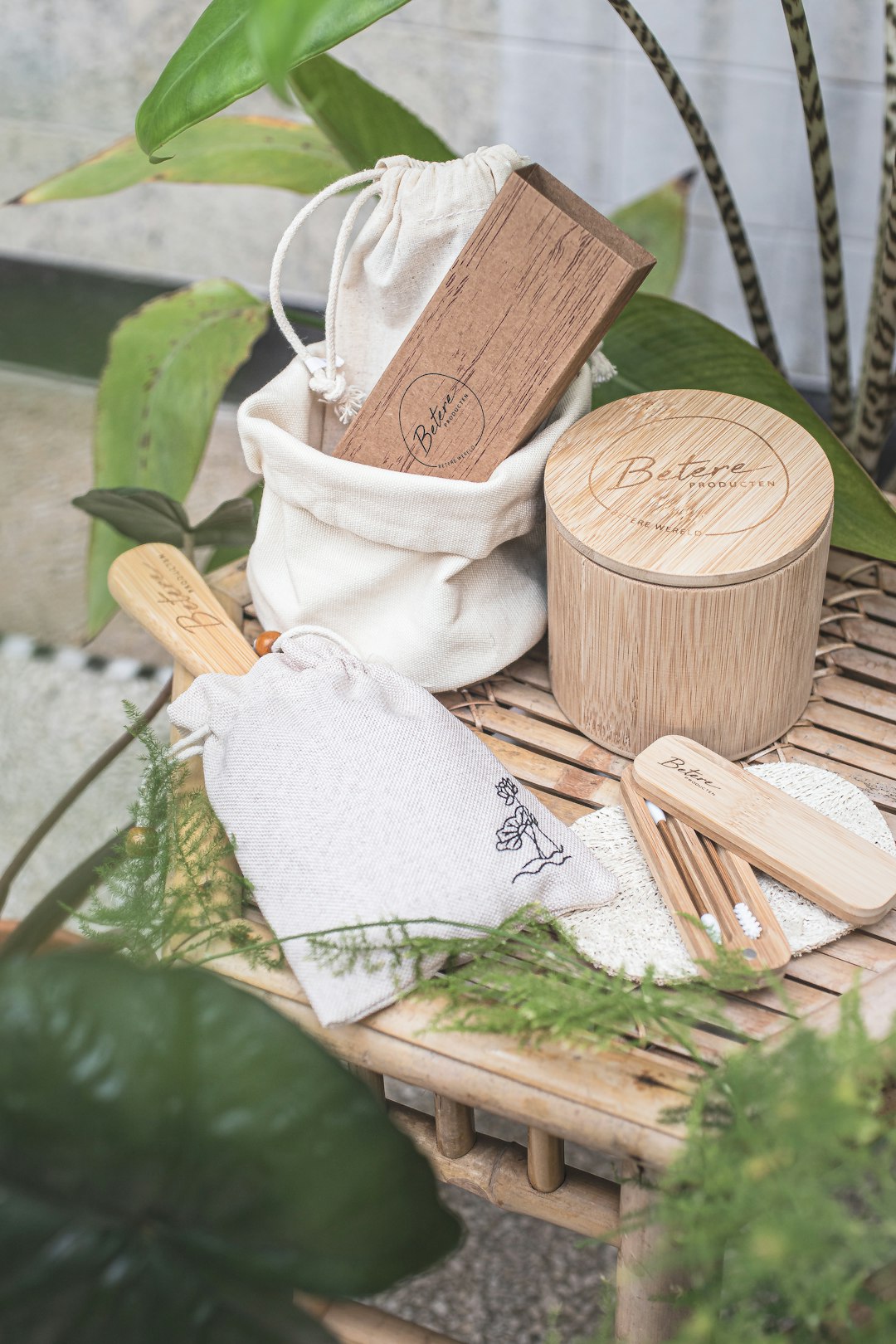
Bamboo is one of the most sustainable materials on Earth, growing up to three feet per day without pesticides or fertilizers. Bamboo utensils are lightweight, durable, naturally antimicrobial, and completely biodegradable at the end of their life. I replaced my plastic spatulas, spoons, and cooking utensils with bamboo alternatives two years ago, and they're still in excellent condition. They don't scratch non-stick cookware, don't retain odors or stains, and feel comfortable in your hand. As a bonus, bamboo absorbs less moisture than wood, making it more resistant to cracking and warping over time.
3. Swedish Dishcloths
These innovative cloths are made from a blend of cellulose and cotton, creating a super-absorbent, quick-drying cleaning tool that can replace both sponges and paper towels. One Swedish dishcloth can absorb 15 times its weight in water and can be washed in your dishwasher or washing machine up to 200 times. In my experience, a single cloth lasts about six to eight months with regular use, meaning one cloth can replace 17 rolls of paper towels. They're also completely compostable at the end of their life, breaking down in just six weeks. I keep several on hand in different colors for various kitchen tasks, and they've completely eliminated paper towels from my shopping list.
4. Glass Food Storage Containers
Plastic containers may seem convenient, but they can leach chemicals into your food, especially when heated. Glass food storage containers are the superior alternative—they're non-toxic, don't retain odors or stains, and last virtually forever. I invested in a comprehensive set with airtight lids two years ago, and they've proven invaluable. They're microwave-safe, oven-safe (without lids), freezer-safe, and dishwasher-safe. The transparency makes it easy to identify contents at a glance, reducing food waste. While the initial investment is higher than plastic, these containers will last decades, making them incredibly cost-effective over time. They also keep food fresher longer due to superior sealing properties.
5. Stainless Steel Straws
Single-use plastic straws are one of the top ten items found in beach cleanups worldwide. Stainless steel straws offer a permanent solution that's both practical and stylish. They're dishwasher-safe, don't retain flavors from previous drinks, and come with cleaning brushes for thorough maintenance. I keep a set at home and carry a portable set in my bag for dining out. They're perfect for smoothies, iced coffee, and cocktails. Many restaurants now appreciate when customers bring their own straws, and it's become a conversation starter about sustainable living. A set of four straws can last a lifetime and prevent thousands of plastic straws from polluting our environment.
6. Compost Bin with Charcoal Filter
Food waste comprises about 30% of household waste, and when it decomposes in landfills, it produces methane, a potent greenhouse gas. A countertop compost bin with a charcoal filter makes composting convenient and odor-free. I empty mine every few days into my outdoor compost pile, and the charcoal filter truly works—there's no smell even in the middle of summer. The rich compost I create feeds my garden, reducing the need for chemical fertilizers. Even if you don't have a garden, many communities now offer compost pickup services. Starting a compost bin was one of the easiest sustainable changes I made, and it dramatically reduced my household waste volume.
7. Reusable Silicone Storage Bags
These ingenious bags replace disposable plastic sandwich bags and freezer bags. Made from food-grade silicone, they're leakproof, freezer-safe, microwave-safe, and can even be used for sous vide cooking. I've been using the same set for over a year, washing them in the dishwasher after each use, and they look brand new. They stand up on their own, making them easy to fill, and the airtight seal keeps food fresh longer than traditional bags. One set of five bags has already prevented hundreds of single-use plastic bags from my waste stream. The transparent design makes it easy to see contents, and they come in various sizes for different storage needs.
8. Cast Iron Cookware
While cast iron has been around for centuries, it deserves recognition as one of the most sustainable cooking options available. A well-maintained cast iron skillet can last generations—mine was my grandmother's, and it's still going strong after 50 years. Cast iron provides excellent heat retention and distribution, improves with age as it develops a natural non-stick patina, and even adds beneficial iron to your food. Unlike non-stick cookware that needs replacement every few years and can release harmful chemicals, cast iron is completely natural and nearly indestructible. It works on any heat source, including induction cooktops and campfires. The initial seasoning process takes some effort, but regular maintenance is simple, and the results are unmatched.
9. Reusable Produce Bags
Those thin plastic produce bags at grocery stores are used for minutes but persist in the environment for centuries. Reusable mesh produce bags offer a simple solution. They're lightweight, washable, and allow produce to breathe, actually keeping fruits and vegetables fresh longer. I keep a set in my reusable shopping bags so I never forget them. The see-through mesh makes it easy for cashiers to identify produce without opening the bags. They're also perfect for storing produce in the refrigerator, eliminating the need for plastic bags entirely. Since switching to reusable produce bags, I estimate I've prevented over 500 plastic bags from entering the waste stream, and the bags themselves show no signs of wear after two years of regular use.
10. Water Filter Pitcher or System
Bottled water is one of the most wasteful products we consume, with Americans alone using about 50 billion plastic water bottles per year, most of which aren't recycled. A quality water filter pitcher or under-sink filtration system provides clean, great-tasting water without the environmental cost. I installed a simple faucet-mounted filter two years ago, and it's been life-changing. The water tastes better than bottled, I save hundreds of dollars annually, and I've eliminated plastic bottle waste from my household. Most filters need replacement every few months, but even accounting for filter waste, the environmental savings are enormous. Pair your filtration system with reusable water bottles, and you'll never need to buy bottled water again.
Making the Transition
You don't need to purchase all these products at once. Start with one or two items that address your biggest sources of waste. As conventional products wear out, replace them with sustainable alternatives. This gradual approach is more budget-friendly and allows you to test products to find the ones that work best for your lifestyle. Remember, sustainability isn't about perfection—it's about making better choices when you can.
The financial investment in these products pays dividends over time. While eco-friendly alternatives often have higher upfront costs, their durability means you'll save money in the long run by not constantly replacing disposable items. Plus, there's immeasurable value in knowing you're reducing your environmental impact and creating a healthier home for your family.
Final Thoughts
Transforming your kitchen into an eco-friendly space is one of the most impactful changes you can make in your daily life. These ten products represent proven solutions that reduce waste, save money, and perform better than their conventional counterparts. After years of testing and daily use, I can confidently say that each of these items has earned its place in a sustainable kitchen. The cumulative effect of these changes is remarkable—less waste, fewer toxins, lower expenses, and the satisfaction of knowing you're contributing to a healthier planet. Start your journey today, and you'll wonder why you didn't make the switch sooner.