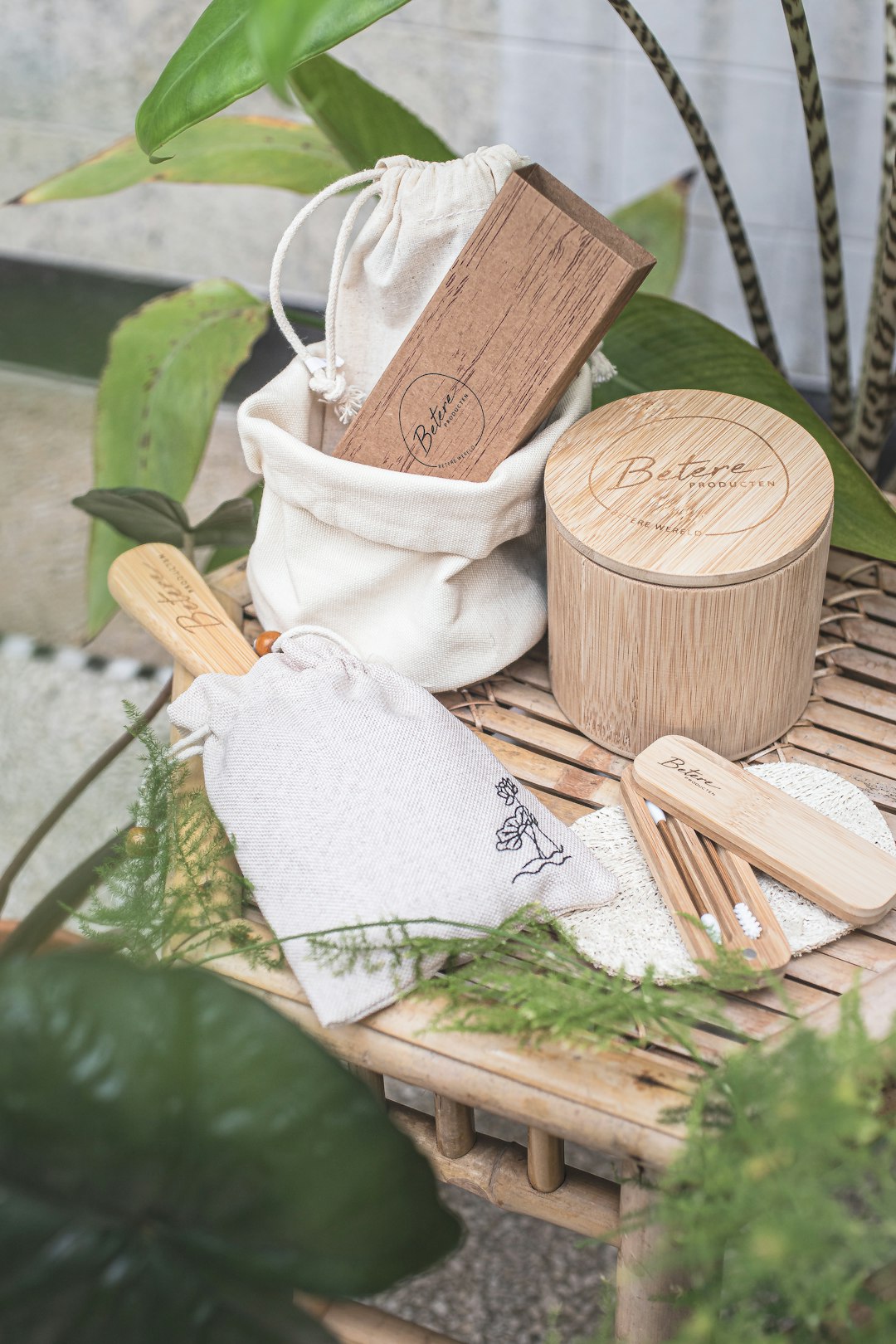

We live in a disposable culture where convenience often trumps sustainability. Single-use products have become so ingrained in our daily routines that we rarely stop to consider their cumulative impact. But here's a sobering reality: the average American generates about 4.5 pounds of trash per day, much of it from single-use products used for mere minutes but persisting in landfills for centuries. This waste crisis doesn't just fill landfills—it pollutes oceans, harms wildlife, and contributes to climate change through production and disposal processes.
The good news is that switching to reusable products is one of the most impactful changes you can make, and it's far easier and more affordable than you might think. Over the past four years, I've systematically replaced single-use items throughout my life with reusable alternatives. The result? I've reduced my household waste by approximately 75%, saved thousands of dollars, and discovered that reusable products often offer superior quality and performance. This comprehensive guide shares everything I've learned about making the transition to a reusable lifestyle, complete with honest reviews, cost comparisons, and practical tips.
Reusable Shopping Bags: Beyond the Basics
Reusable shopping bags are the gateway product for most people entering the zero-waste lifestyle, but not all reusable bags are created equal. Canvas and cotton bags are popular, but they require significant water and energy to produce, meaning you need to use them hundreds of times to offset their environmental impact. Recycled plastic bags are more sustainable from a production standpoint and are incredibly durable. I've had the same set of recycled plastic shopping bags for four years, and they show minimal wear despite weekly grocery trips. For produce, lightweight mesh bags allow cashiers to see contents while preventing the need for thin plastic bags. Keep bags in your car or by your front door so you never forget them. Many stores now offer discounts for bringing your own bags—small savings that add up over time. Pro tip: keep a compact reusable bag in your purse or backpack for unexpected purchases.
Water Bottles That Actually Keep You Hydrated
Americans use approximately 50 billion plastic water bottles per year, with only about 23% being recycled. A quality reusable water bottle eliminates this waste while saving significant money. I calculated that I was spending about $500 annually on bottled water—money that's now in my savings account. When choosing a reusable bottle, consider your lifestyle. Stainless steel bottles keep beverages cold or hot for hours and are virtually indestructible. Glass bottles with silicone sleeves don't retain flavors and allow you to see your water level. Collapsible silicone bottles are perfect for travel and outdoor activities. I own several bottles for different purposes: an insulated stainless steel bottle for daily use, a glass bottle for home, and a collapsible bottle for hiking. Look for wide-mouth bottles for easy cleaning and adding ice, and ensure the lid is leak-proof if you'll carry it in a bag.
Coffee Cups and Travel Mugs Done Right
If you're a daily coffee shop visitor, a reusable cup is one of the highest-impact switches you can make. Disposable coffee cups aren't recyclable due to their plastic lining, meaning billions end up in landfills annually. Reusable travel mugs have evolved far beyond clunky thermoses. Modern designs are sleek, keep beverages at perfect temperatures for hours, and fit standard cup holders. Many coffee shops offer discounts for bringing your own cup—typically 10-25 cents per drink. At one coffee per day, that's $36-91 in savings annually, on top of eliminating 365 disposable cups from the waste stream. I prefer stainless steel mugs with ceramic interior coatings that don't retain flavors. For office use, I keep a ceramic mug—simple, timeless, and requiring no special care. For those who enjoy both hot and cold beverages, versatile insulated tumblers with lids work for coffee, tea, smoothies, and water.
Food Storage Solutions That Work
Plastic wrap, aluminum foil, and disposable containers create enormous waste. Reusable alternatives not only eliminate this waste but often keep food fresher longer. Silicone storage bags are game-changers—dishwasher safe, freezer safe, and completely leak-proof. They stand up on their own, making them easy to fill, and they're clear enough to see contents. I use mine for everything from sandwich packing to marinating meat to freezing soup. Glass containers with snap-lock lids are perfect for leftovers and meal prep. They don't stain or retain odors, they're microwave safe, and seeing your food encourages you to actually eat those leftovers. Beeswax wraps replace plastic wrap for covering bowls and wrapping foods like sandwiches, cheese, and vegetables. Stainless steel bento boxes are ideal for packed lunches, with compartments that keep foods separate. One set of quality reusable storage containers will last decades, making them an excellent investment.
Utensils and Straws for Life on the Go
Plastic utensils and straws are used for minutes but persist in the environment forever, and they're among the top items found in beach cleanups. Carrying reusable utensils is easier than ever with compact travel sets that include fork, spoon, knife, chopsticks, and a straw in a convenient carrying case. I keep a set in my work bag and car, ensuring I'm never stuck using disposables. Bamboo utensils are lightweight and biodegradable at end of life. Stainless steel options are heavier but more durable and dishwasher safe. For straws, stainless steel or glass versions work perfectly, and many come with cleaning brushes. Collapsible silicone straws are great for purses or pockets. Many restaurants appreciate when customers bring their own utensils, and takeout food often includes unnecessary plastic utensils that end up unused in drawers. Refusing them and using your own eliminates waste and supports your zero-waste lifestyle.
Cloth Napkins and Towels
Paper napkins and paper towels are single-use products we rarely question, yet Americans use billions of pounds annually. Cloth napkins and kitchen towels offer a simple reusable alternative that's actually superior in function. Cloth napkins are more absorbent, feel nicer, and elevate even casual meals. I have a collection in different colors for everyday use and nicer ones for entertaining. They go in the wash with regular laundry—no special care required. Kitchen towels replace paper towels for cleaning spills, drying dishes, and wiping counters. Flour sack towels are thin, absorbent, and dry quickly. Terry cloth towels work well for bigger messes. Swedish dishcloths, made from cellulose and cotton, are super-absorbent and can be washed hundreds of times. Since eliminating paper towels two years ago, I estimate I've saved about $200 and prevented numerous rolls from entering landfills. The environmental impact is significant—paper production requires trees, water, and energy, all eliminated by switching to cloth.
Reusable Face Masks and Filters
While the specific need for face masks may fluctuate, disposable masks have created a new waste crisis with billions discarded since 2020. Reusable cloth masks are more comfortable, come in various styles, and can be washed and worn hundreds of times. Look for masks with adjustable ear loops, nose wires for proper fit, and pocket for optional filters. I own about ten cloth masks in rotation, washing them with regular laundry. Quality masks with multiple layers provide adequate protection while being infinitely reusable. For situations requiring higher filtration, masks with replaceable filters offer a middle ground—the mask body is reusable while only the filter needs periodic replacement. This approach significantly reduces waste while maintaining protection levels. The financial savings are substantial, as a few reusable masks replace hundreds of disposables.
Rechargeable Batteries
Disposable batteries contain toxic materials and should never go in regular trash, yet most end up in landfills. Rechargeable batteries are a simple solution that saves money and prevents hazardous waste. Modern rechargeable batteries hold charges well, last through hundreds of recharge cycles, and are available in all standard sizes. Initial investment is higher—a charger and set of batteries costs around $30-50—but pays for itself quickly. I use rechargeable batteries for everything from remote controls to flashlights to children's toys. One set of rechargeable batteries replaces hundreds of disposables over their lifetime. For devices that drain batteries quickly, like digital cameras or high-powered flashlights, rechargeables are especially cost-effective. Keep a charged set ready to swap out when batteries die, and you'll never run to the store for batteries again.
Calculating Your Savings
The financial benefits of reusable products are often underestimated. Let's look at real numbers. If you buy one water bottle daily at $1.50, that's $547.50 annually. A quality reusable bottle costs about $25. First-year savings: $522.50. If you buy coffee five days per week at $4 per cup without bringing your own mug, but could save 25 cents by bringing a reusable cup, that's $65 in annual savings plus the elimination of 260 disposable cups. A reusable coffee cup costs about $20. First-year savings: $45. Paper towels at one roll per week cost approximately $100 annually. A set of kitchen towels costs about $30 and lasts years. First-year savings: $70. These examples represent just a few switches, and savings compound over time as reusable products continue working year after year while disposable products require constant repurchasing.
Building Your Reusable Routine
The key to successfully integrating reusable products into your life is making them convenient. Keep reusable bags in your car and by your door. Store a reusable water bottle on your desk and one in your gym bag. Keep utensil sets in your work bag and car. When reusable items are more accessible than disposable alternatives, using them becomes second nature. Establish routines around caring for reusables—I wash water bottles nightly, throw cloth napkins and towels in with regular laundry, and keep a designated spot for shopping bags. The small effort required to maintain reusables is far outweighed by the benefits. You'll find that using quality reusable products becomes a point of pride, a visible expression of your values, and proof that sustainable living is both practical and rewarding. Start with one category, master those habits, then add more reusables gradually. Before you know it, reaching for the reusable option will be automatic.